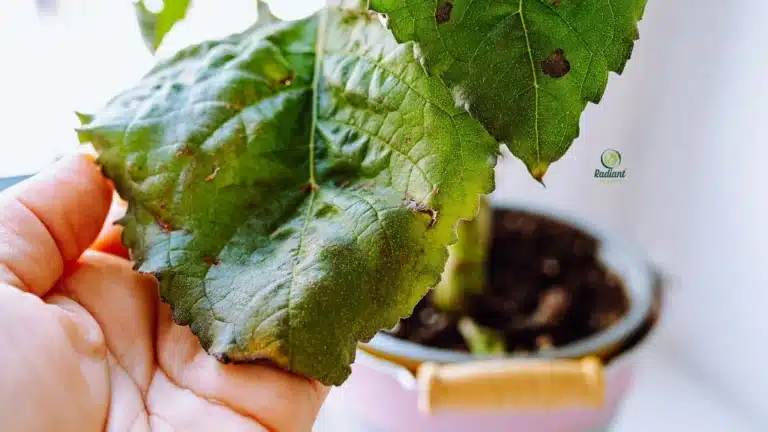
A significant obstacle in modern botany is the incidence of mycelial infections affecting flora. These agents can cause a broad spectrum of symptoms, from discoloration of leaves and stems to bending and smaller yields. Common encountered issues include powdery mildew, rust, and blight, each targeting specific botanical varieties. Effective management strategies often involve a mix of cultural practices, natural control measures, and, in some situations, the judicious use of mold inhibitors. Early identification is critically important to lessen the influence on plant condition and aggregate crop performance.
```
Crop Diseases
Plant viral illnesses pose a major risk to global crop supply. These subtle pathogens, unlike bacterial or fungal infections, rely on active tissue cells for their propagation, making elimination exceptionally challenging. Common examples include yellowing viruses affecting potatoes, fruit curl viruses impacting squash, and wheat streak viruses which can drastically reduce output. Management strategies often focus on resistant types, insect control, and strict sanitation measures to limit outbreaks. The economic impact of these crop conditions can be substantial, necessitating ongoing investigation and development of efficient solutions.
```
{Bacterial{ | Microbial Blight{ | Rot and Wilt Dieback
Several {devastating|serious|significant plant {diseases|ailments|conditions are caused by {harmful|pathogenic|disease-causing bacteria, commonly known as bacterial blight and wilt. These {illnesses|conditions|problems often manifest as {sudden|rapid|premature leaf spots, {yellowing|discoloration|browning of foliage, and ultimately, a {severe|widespread|complete wilting of the {plant|crop|vegetation material. Transmission typically occurs through {contaminated|infected|dirty water, {tools|equipment|implements , or insect {vectors|carriers|transmitters , leading to {quick|widespread|rapid infection within a {field|garden|area . {Effective|Successful|Preventative management {strategies|approaches|techniques include {using|employing|implementing disease-free {seed|planting material|stock , practicing {good|proper|thorough sanitation, and, in some cases, applying {appropriate|specific|carefully-chosen bactericides, although cultural {practices|methods|approaches are often the {most|primary|preferred line of {defense|protection|resistance .)
Nematode Damage: A Plant Health Crisis
The escalating issue of nematode damage represents a significant concern to global plant well-being. These microscopic, worm-like organisms burrow into plant structures, disrupting nutrient and water absorption and ultimately impairing the entire plant. This Plant Diseases often manifests as stunted progress, yellowing leaves, and reduced production, severely impacting agricultural sectors worldwide. Different nematode types target a wide range of crops, from staple foods like potatoes and tomatoes to essential specialty crops, making effective management strategies absolutely critical for food security and sustainable farming practices. Ignoring this hidden danger can lead to devastating losses for growers and ultimately affect consumers.
Physiological Disorders Mimicking Condition
A notable challenge in clinical diagnosis lies in differentiating true disease processes from physiological disorders that can present with remarkably similar manifestations. These functional disturbances, while often distressing to the patient, are not attributable to identifiable structural or organic damage. For instance, gastrointestinal distress in irritable bowel syndrome (IBS) can convincingly mimic inflammatory bowel disease, requiring careful investigation to exclude organic etiologies. Similarly, extreme weariness may initially suggest conditions like viral illnesses, but ultimately proves to be a physiological response to stress or underlying psychological factors. The careful and thorough exclusion of pathological causes is paramount, requiring a meticulous method that considers patient history, physical examination, and appropriate laboratory and imaging analyses. Misdiagnosis can lead to unnecessary interventions and prolonged patient worry, highlighting the importance of a holistic and detailed diagnostic process and a deep understanding of the spectrum of physiological disorders that can resemble genuine disease.
Botanical Illness Identification and Control
Early and accurate diagnosis of botanical illness is absolutely essential for minimizing yield decline and maintaining healthy agricultural operations. Appropriate management strategies often involve a multi-faceted strategy, encompassing preventative practices like proper watering regulation, adequate feeding, and the use of disease-tolerant types. Where proactive measures prove insufficient, timely application of registered treatments may be necessary, always adhering to instruction guidelines and focusing on holistic disease management to foster long-term agricultural yield. Modern techniques, including remote sensing and genetic assessment, are rapidly being utilized to improve illness identification and guide effective management actions.